Hypoallergenic Washing Techniques
Master the art of gentle, effective laundry care with methods designed specifically for sensitive skin and family health.

Cold-Water Washing for Sensitive Skin
Why Cold Water Works
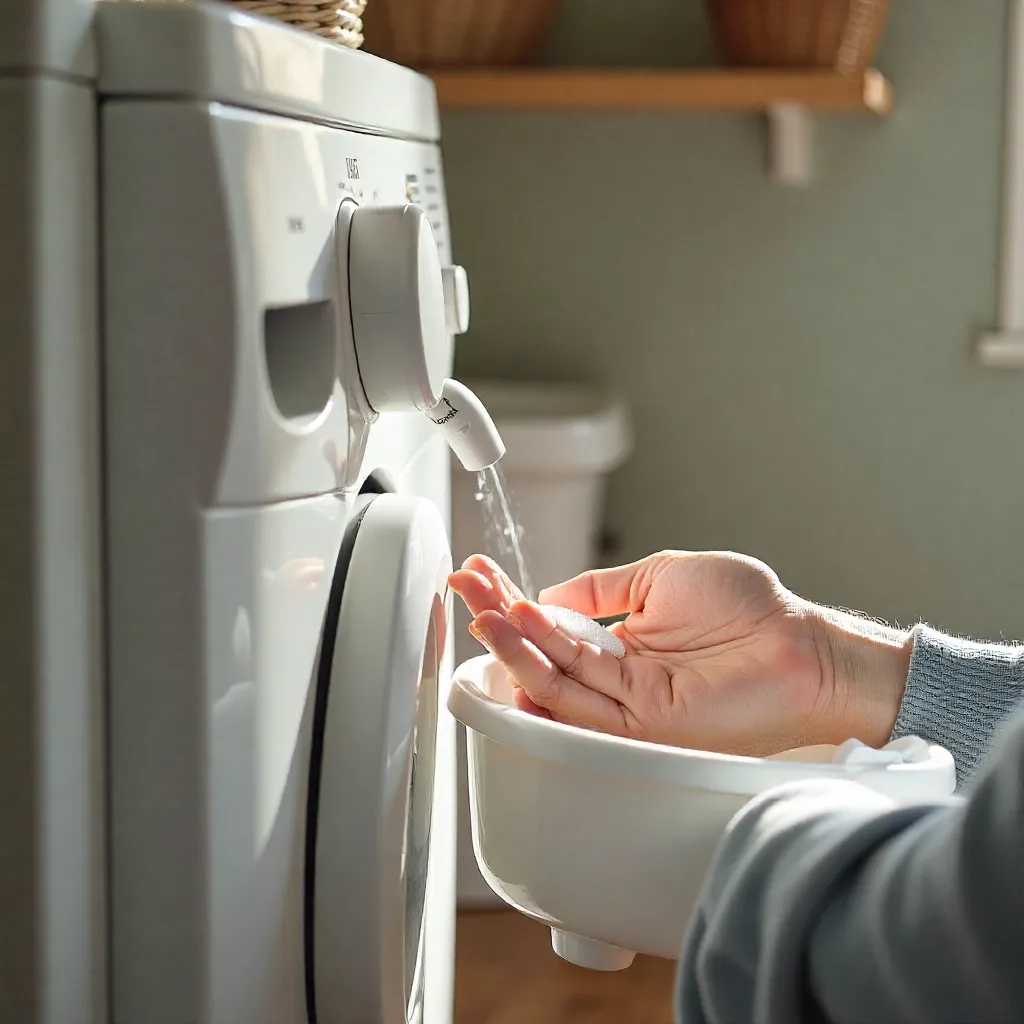
Cold water washing is one of the most effective hypoallergenic techniques available. Unlike hot water, which can set stains and require stronger detergents, cold water gently removes dirt and allergens without damaging fabrics or leaving chemical residues.
For families with sensitive skin, cold water helps prevent irritation by reducing the need for harsh cleaning agents. It also preserves fabric quality, keeping clothes soft and comfortable longer.
Best Practices
- Set your washing machine to cold or cool water settings (30°C or below)
- Pre-treat stains with natural solutions before washing
- Use cold-water compatible detergents for best results
- Allow extra time for cold water cycles to work effectively
Low-Chemical & Plant-Based Detergents
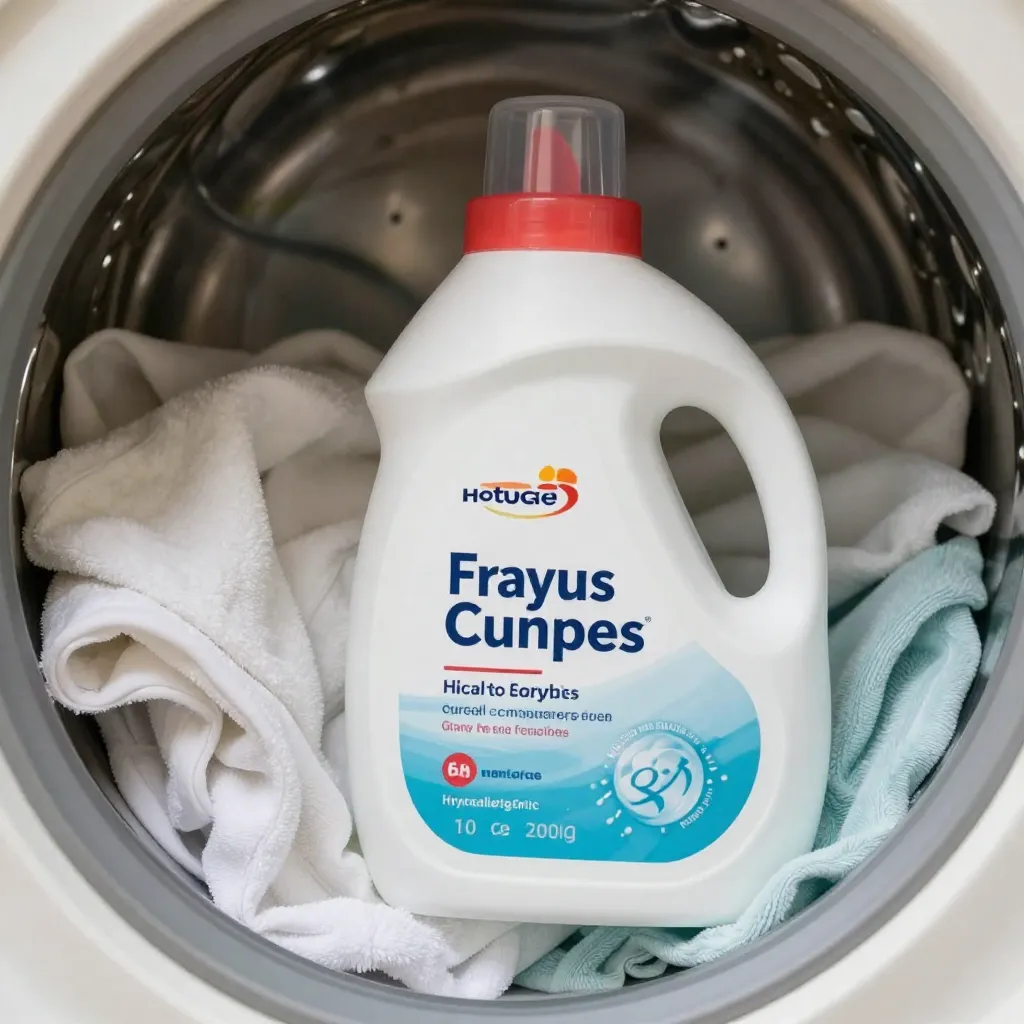
Choosing the right detergent is crucial for hypoallergenic washing. Plant-based options offer effective cleaning power without the harsh chemicals that can trigger skin reactions.
Natural Ingredients
Look for detergents made from coconut, palm, or plant-derived surfactants. These ingredients clean effectively while being gentle on sensitive skin and the environment.
Fragrance-Free Options
Avoid artificial fragrances and dyes that can cause allergic reactions. Unscented or naturally scented options are best for families with sensitivities.
Certified Products
Choose products certified by recognized organizations for sensitive skin or environmental safety. These certifications ensure the product meets strict standards.
Washing Machine Care to Prevent Allergens
Regular Maintenance
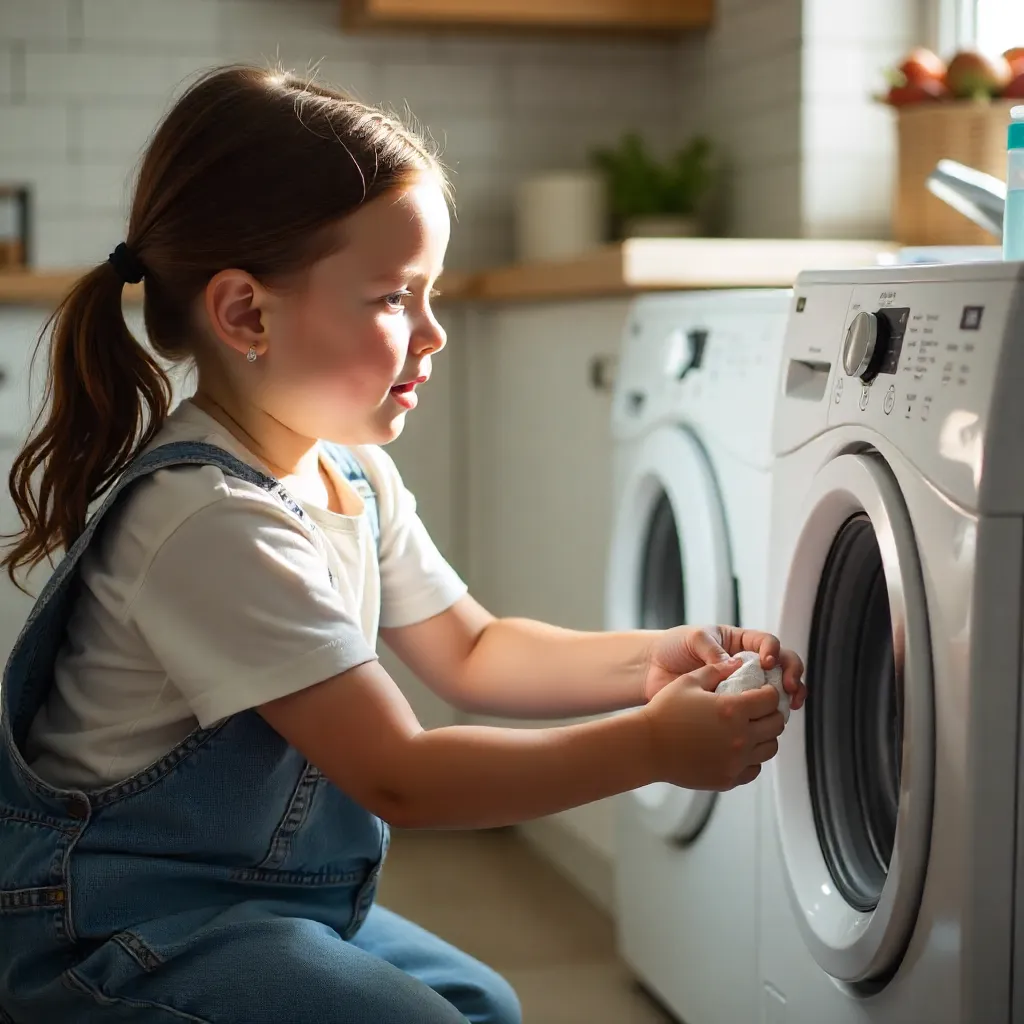
Your washing machine itself can harbor allergens and bacteria if not properly maintained. Regular cleaning prevents these from transferring to your clothes during wash cycles.
Run an empty hot water cycle monthly with white vinegar or a specialized washing machine cleaner. This removes soap scum, mineral deposits, and bacteria that can cause skin irritation.
Preventing Cross-Contamination
- Clean the detergent drawer and rubber seals regularly
- Leave the door open between washes to allow air circulation
- Wipe down the drum with a damp cloth after each use
- Use separate cycles for heavily soiled items
Stain Removal Without Harsh Chemicals
Removing stains safely requires patience and the right natural solutions. These methods are effective without exposing your family to harmful chemicals.
Food Stains
For food stains, apply a paste of baking soda and water. Let it sit for 30 minutes, then gently brush away. Follow with cold water rinse before washing.
Grease & Oil
Cornstarch or talcum powder can absorb grease. Apply generously, let sit overnight, then brush away. Repeat if necessary before washing.
Blood Stains
Cold water and salt work wonders on fresh blood stains. Soak in cold saltwater for 30 minutes, then gently rub and rinse before washing.

Special Care for Baby & Toddler Clothing
Extra Gentle Methods
Baby and toddler skin is especially sensitive, requiring extra care in laundry routines. Use the gentlest settings and mildest detergents specifically formulated for infants.
Wash baby clothes separately from adult clothing to prevent cross-contamination. Use an extra rinse cycle to ensure all detergent is removed, as residue can cause skin irritation.
Step-by-Step Process
- Sort baby clothes by color and fabric type
- Pre-treat any stains with gentle, natural solutions
- Use baby-safe detergent in minimal amounts
- Select gentle or delicate cycle with cold water
- Run an extra rinse cycle to remove all residues
- Air-dry or use lowest heat setting