Gentle Washing for Sensitive Families
Discover safe, natural laundry methods designed for families with sensitive skin. Learn hypoallergenic techniques that protect your loved ones while keeping clothes clean and fresh.

Why Choose Hypoallergenic Washing?
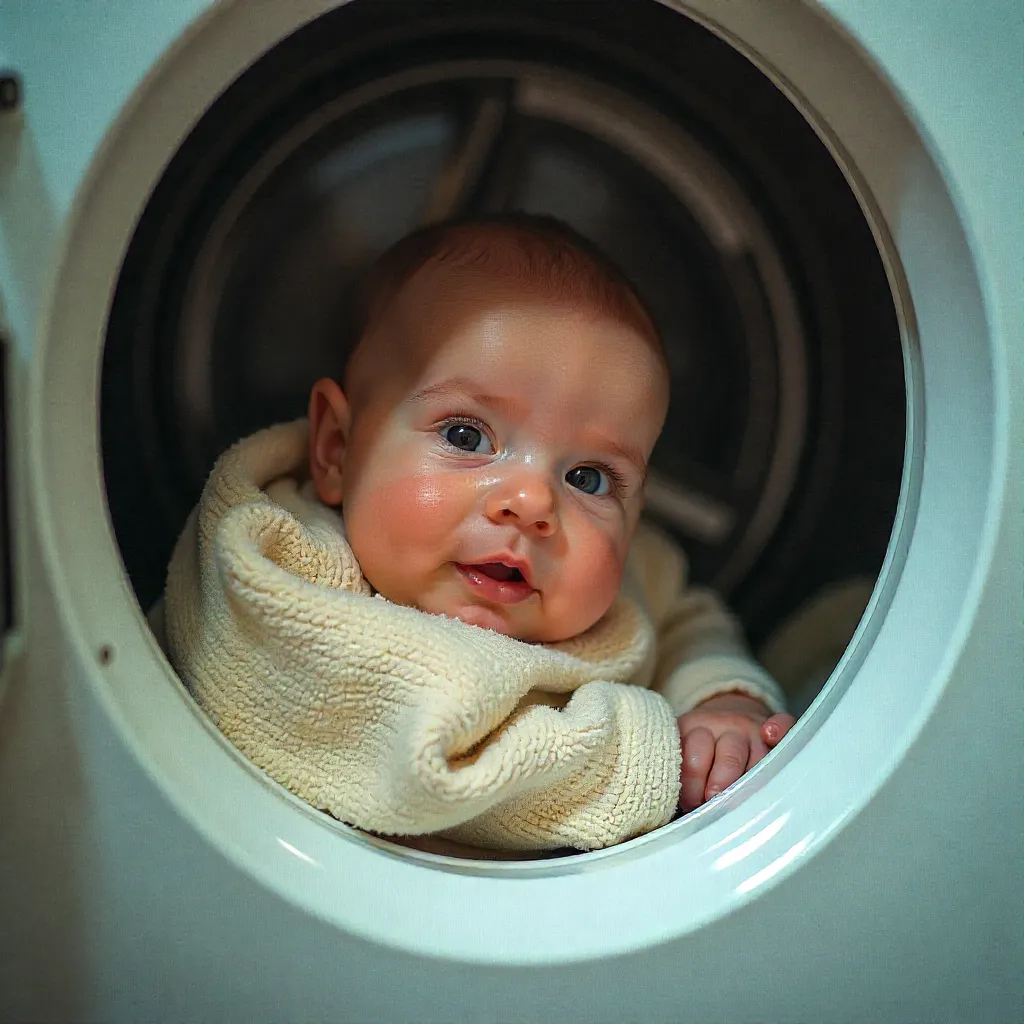
Safe for Sensitive Skin
Our methods eliminate harsh chemicals that can cause irritation, making laundry safe for everyone in your family, including babies and those with skin sensitivities.
Learn More
Natural & Eco-Friendly
Use plant-based detergents and natural methods that are gentle on your family and the environment. Reduce your carbon footprint while protecting sensitive skin.
Explore Guide
Family-Focused Care
Specialized techniques for baby clothes, toddler wear, and adult garments. Learn how to properly care for each family member's clothing needs.
Get StartedGetting Started with Hypoallergenic Laundry
Understanding Your Needs
Every family is unique, and so are their laundry requirements. Whether you're dealing with baby eczema, adult skin sensitivities, or simply want a gentler approach to cleaning, hypoallergenic washing techniques can help.
These methods focus on removing allergens, reducing chemical exposure, and maintaining fabric quality while ensuring your clothes are thoroughly clean and fresh.
Benefits You'll Notice
- Reduced skin irritation and allergic reactions
- Longer-lasting, softer fabrics
- Cleaner indoor air quality
- Peace of mind for your family's health
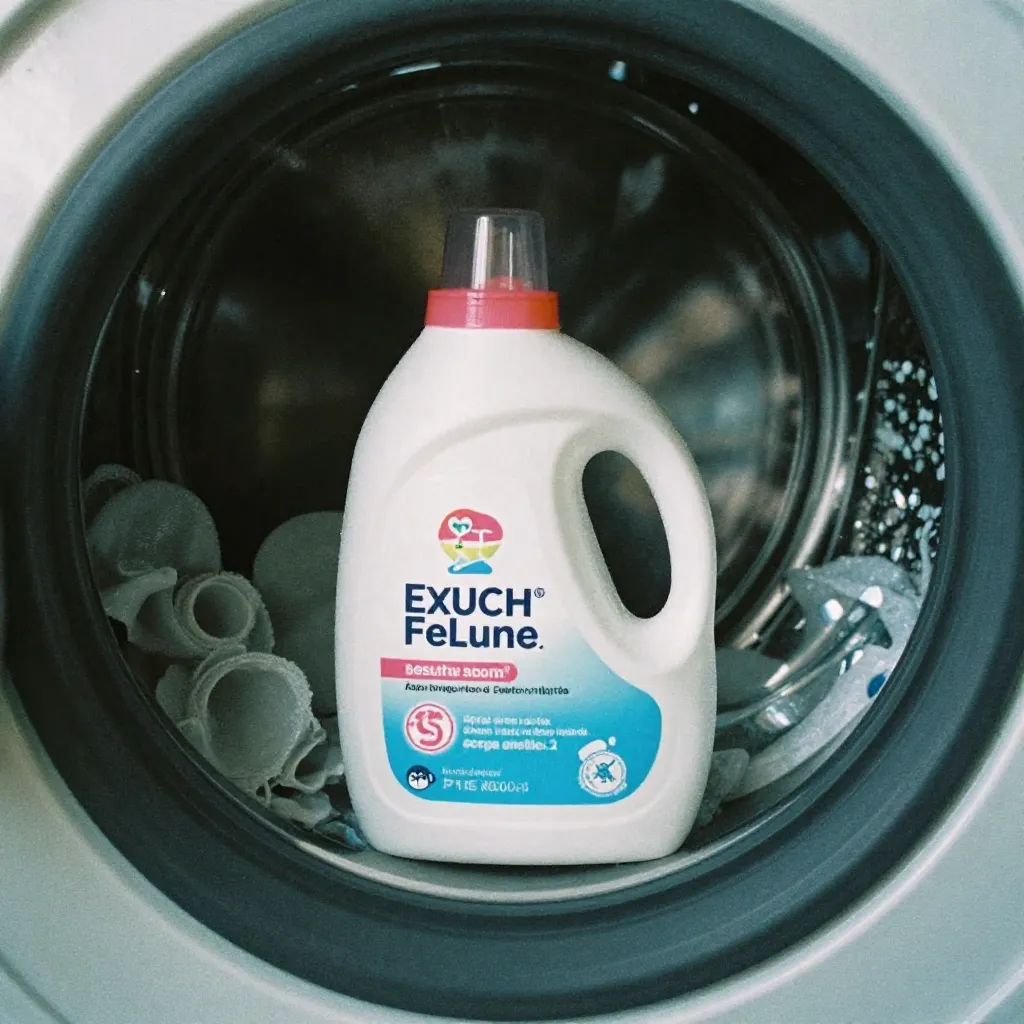
Simple Steps to Healthier Laundry
Making the switch to hypoallergenic washing doesn't have to be complicated. Follow these foundational principles to get started:
Cold Water Washing
Use cold water cycles to preserve fabrics and reduce the need for harsh detergents. Cold water is often more effective at removing allergens while being gentler on sensitive skin.
Natural Detergents
Choose plant-based, fragrance-free detergents that are specifically formulated for sensitive skin. Look for products with minimal ingredients and no artificial fragrances.
Proper Drying
Air-dry when possible, or use low-heat settings. This helps prevent chemical residues from setting into fabrics and maintains the natural softness of materials.